

BY: SOLOMON ONYANGO.
Last week I was at a lounge. Decent place, not too loud. And I saw two women. Same age, same city, same night. Completely different.
One wore a dress so short she kept pulling it down. A queer demeaner – unsettled, shifting, dancing too close, leaving hanging on someone is arm. The other, skirt below the knee, one drink for two hours, danced with space, left with her friends before midnight. Not perfect, just grounded.
You see this everywhere. Not just Kampala but Nairobi, Kigali, United Kingdom. Really makes you wonder what the difference is.
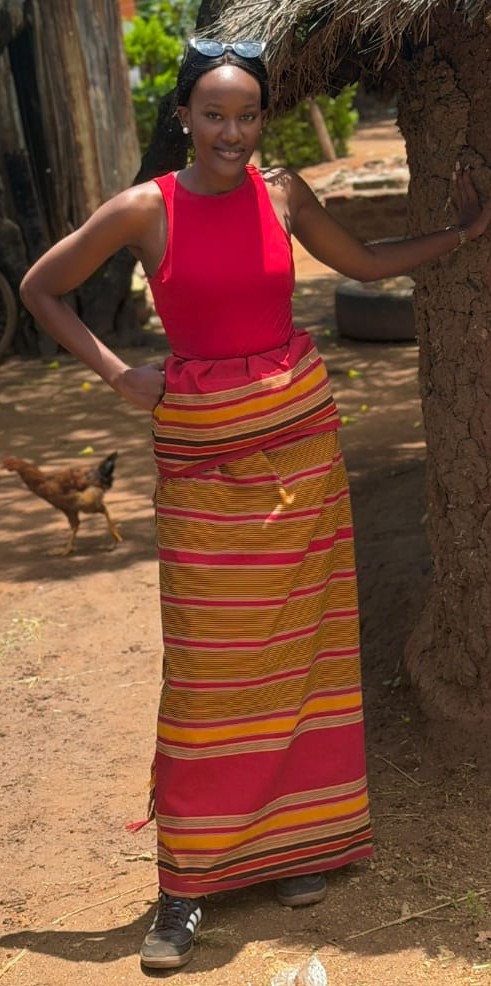
It is not money. Not school. Not whether she is from Tororo or Kamuli or Kabale or Ntungamo or Masaka or London. It is that quiet thing, knowing your body is yours, knowing your limit, knowing intimacy is not a show. Eating with your mouth closed. Saying thank you. Expecting your husband to help cook sometimes. Kneeling only for ceremony, not because you are a servant. That is the woman our best traditions tried to raise.
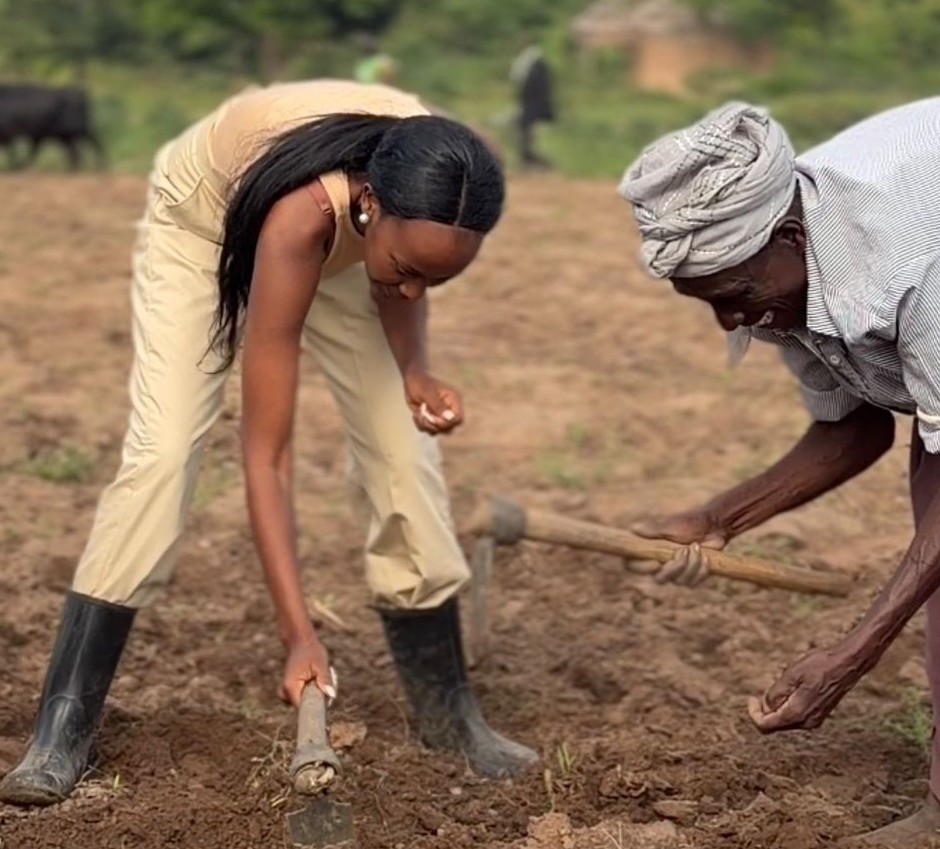
But here is what I have learned over the years. All that grooming? It is not enough. A woman can be as decent as Sunday morning, but if she cannot own land, get a loan, sit in parliament, or walk home without fear, then something is wrong. And that something is not her skirt.

Let me give you some numbers, not to overwhelm you but to be clear. In Tanzania, nearly ninety percent of farm work is done by women. Yet only one in four actually holds secure land rights. That means three out of four women who feed their families do not legally own the ground they till. In Kenya, women make up almost sixty percent of the self‑employed. But the financing gap, what they cannot borrow compared to men, is about forty‑two billion dollars. That is not a small difference. That is a chasm.
Now look at our parliaments. Rwanda leads the whole world, nearly sixty‑four percent of seats in the lower house are held by women. Tanzania reached forty percent after its last election. Uganda is around one third. But Kenya remains stuck below a quarter, failing to meet its own constitutional target. And across the continent, at the current rate of progress, we will not see equal numbers of women and men in parliaments until the year twenty‑one hundred. That statistic comes from the United Nations. I am not inventing it.
So yes, every parent must raise a daughter to cover herself, to work hard, to respect others. But also demand that she can get a title deed. Demand that she can borrow money without a male guarantor. Demand that she has a seat at the decision‑making table. Because decency without a supportive system? That is just pretty suffering. It may look good, but it does not feed children or build nations.
Let us also be honest about our traditions. Not all of them were gentle or wise. Among the Bakiga, girls who became pregnant before marriage could be abandoned on Akampene, Punishment Island – in Lake Bunyonyi. They were left to die from starvation or drowning. That practice did not end until the nineteen forties or fifties, when missionaries and colonial authorities suppressed it. More than sixty girls are said to have lost their lives there.
Among the Japadhola of Tororo, traditional wedding attire was once described in ethnographic records as "scanty women's clothing" called chip and cheno. Some accounts mention that the groom would remove the bride's garments in public. I have not found modern documentation of undressing rituals, but the existence of very revealing attire is confirmed. These customs are part of our past. We do not have to keep them. We have the right – and the responsibility to choose. Keep what builds people up. Leave what breaks them down.
Some readers will say I am too hard on women. That is fair. Some will say I am too easy on men. Also fair. Some will say I am nostalgic for a past that never really existed. That may be true as well. But I am just trying to talk honestly, not to lecture anyone.
A decent society is not a photo album of perfect women. It is a place where your character and your rights match each other. From Kabale to Kamuli to London, we have enough good grooming. Grandmothers have done their work. Mothers are doing their work. Now we need good policy. Land rights that women can enforce. Affordable credit that reaches women in villages and towns. Childcare so that mothers can work. Quotas that put women into parliaments and local councils. These things are not anti‑culture. They are culture grown up, matured, and put to work for everyone.
Last week at that lounge, I saw two women. One seemed adrift. One seemed anchored. I do not know their names or their stories. But I know what we need to do. Give every girl an anchor – a sense of her own worth, her own boundaries, her own dignity. Then tear down the systems that still hold her down: unequal land rights, scarce credit, unsafe streets, and empty seats in parliament.
The author is a commentator on socio-economic and political affairs anchored on governance and development in East Africa.


Comments
0 commentsLeave a Comment