

By Solomon Onyango
The East African
Kampala. On paper, the 14-point memorandum of understanding signed this week between Washington and Tehran halts a devastating regional war, reopens the Strait of Hormuz and sets the stage for a comprehensive settlement. In practice, it is a ceasefire built on deferred decisions, asymmetric concessions and an implausibly short timeline – with consequences that will ripple far beyond the Persian Gulf, all the way to the shores of East Africa.
The deal, brokered after months of conflict that began with US-Israeli strikes on Iran on 28 February, commits both sides to negotiate a final agreement within 60 days. But the hardest questions – Iran's near-weapons-grade uranium stockpile, the future of its enrichment programme, full sanctions relief, and the status of its missile arsenal and regional proxies – are kicked down the road. For a region that relies on the free flow of oil through the Strait of Hormuz, and for East African economies already reeling from high fuel prices, the stakes could not be higher.
The most immediate and dangerous challenge concerns Iran's nuclear programme. The memorandum reaffirms Tehran's longstanding commitment not to develop nuclear weapons – a position Iranian officials have consistently maintained for decades. However, it offers no concrete mechanism for dismantling the country's breakout capacity.
According to the International Atomic Energy Agency, Iran currently holds approximately 440 kilogrammes of uranium enriched to 60% purity – just short of weapons-grade, enough if further refined for roughly nine nuclear devices. Another 184 kg is enriched to 20%, and more than 6,000 kg to 5%. The 2015 Joint Comprehensive Plan of Action had capped enrichment at 3.67%.
The deal's proposed solution – on-site down-blending under IAEA supervision – is described only as a "minimum methodology". The full scope of inspections, the fate of Iran's advanced centrifuges, and the duration of any enrichment moratorium remain for the 60-day negotiations. Given that the original nuclear deal took 20 months to negotiate, expecting a resolution in two months is, at best, optimistic.
Iranian officials have argued that their nuclear activities are entirely peaceful and that the US withdrawal from the 2015 accord, not Iran's enrichment, is the root cause of the current crisis. They point out that the MOU's sanctions-lifting provisions are a necessary first step toward restoring the balance of the original agreement.
The crisis is not, however, confined to the theoretical realm of nuclear physics. In the waters of the Persian Gulf, a humanitarian and economic disaster is unfolding in plain sight. The Strait of Hormuz, through which one-fifth of the world's oil passes daily, has been a battleground. Before the conflict, 120-140 ships transited daily, carrying roughly 20 million barrels of crude.
During the war, that number collapsed to fewer than 10 vessels per day. As of 17 June, just seven ships had passed since the ceasefire was announced, and over 550 vessels – more than 250 tankers and 330 cargo ships – remain stranded, according to shipping data monitored by Al Jazeera and maritime tracking services.
The human toll is staggering. The maritime industry estimates that 15,000-20,000 seafarers are directly affected, including 562 Indian sailors trapped for over 100 days, as reported by Al Jazeera. Iran's crude exports fell to an estimated 260,000 barrels per day in May – less than a fifth of the 2025 average of 1.67 million barrels, according to tanker-tracking firms. For East African nations – Kenya, Tanzania, Uganda and their neighbours – higher oil prices translate directly into higher transport costs, electricity tariffs and food prices. The region's dependence on Middle Eastern crude makes it acutely vulnerable to any disruption in the Strait. A prolonged standoff could undo years of economic gains.
The human cost of the broader conflict is already severe. The Pentagon's official count of US dead and wounded stands at 426 as of mid-June, a figure that has risen 11% since the first failed ceasefire on 8 April. However, the investigative outlet The Intercept has reported that the true number exceeds 625, citing internal military documents and interviews with service members – a figure the Pentagon has disputed. Thirteen US service members have been killed, including seven in direct attacks, according to Pentagon data.
Iranian casualties are harder to verify. The Israel Defense Forces estimate some 6,000 Iranians have been killed, while unconfirmed reports suggest more than 3,300 dead. A single US strike on an elementary school killed over 150 Iranian civilians, most of them children, according to an investigation by The Intercept. Even during the truce periods, fighting continued: in early June, Iran and the US exchanged strikes in the Strait of Hormuz, with Iran launching missiles at US bases in Kuwait and Bahrain, and the US hitting Iranian coastal radar sites, as reported by BBC News.
Perhaps the most dangerous omission from the memorandum is the absence of Israeli consent. Prime Minister Benjamin Netanyahu has already declared that Israel is not bound by the agreement. The deal commits both Washington and Tehran to ending military operations "on all fronts, including in Lebanon" and to respecting Lebanese sovereignty. But any continued Israeli strikes against Hezbollah – and Israeli drones have already been reported over Lebanon since the deal, with a strike on a Beirut suburb on 7 June – could be interpreted by Tehran as a violation, dragging the US back into conflict. Washington cannot enforce the deal on a third party, and Iran has made clear it will hold the US responsible for any Israeli action. This unresolved tension hangs over the entire 60-day window.
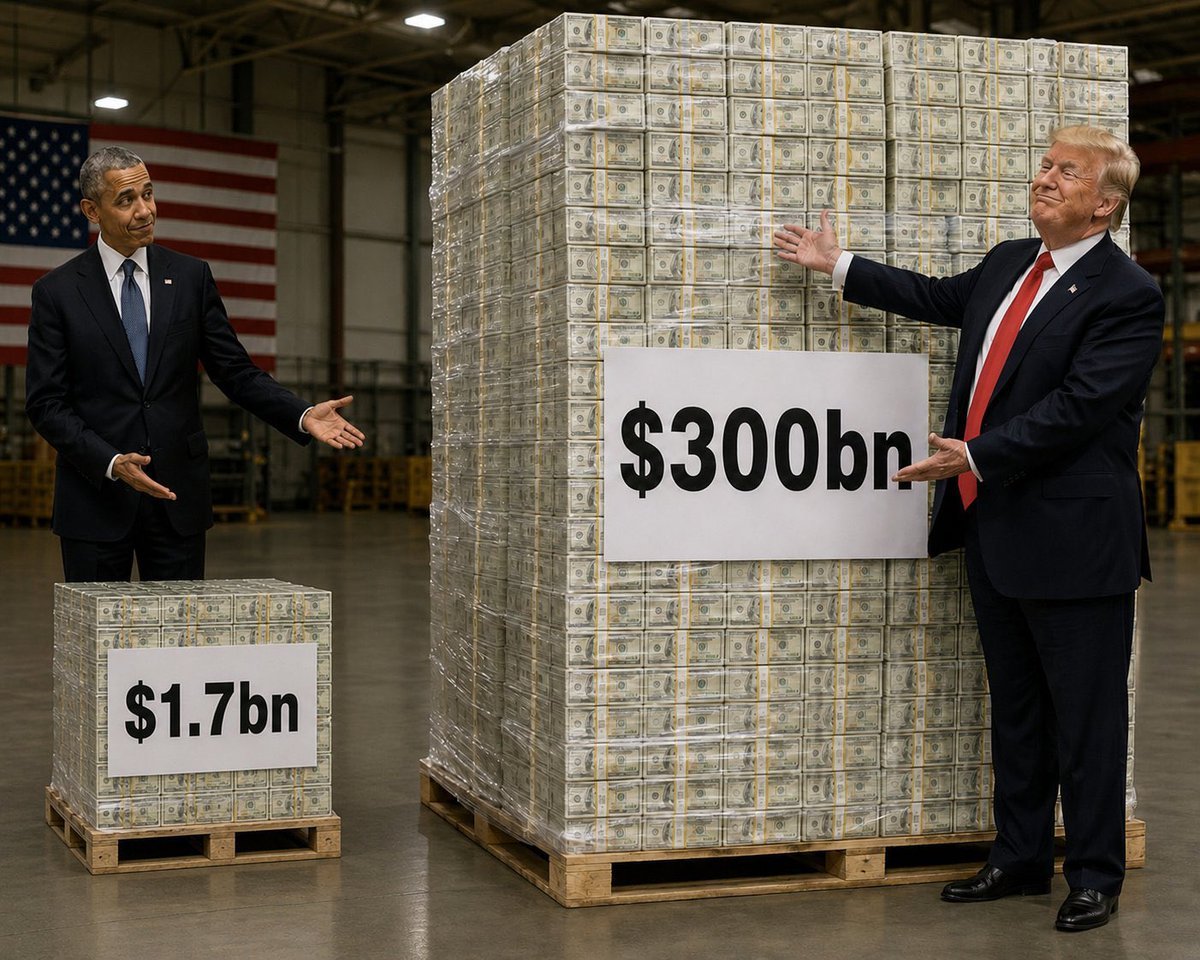
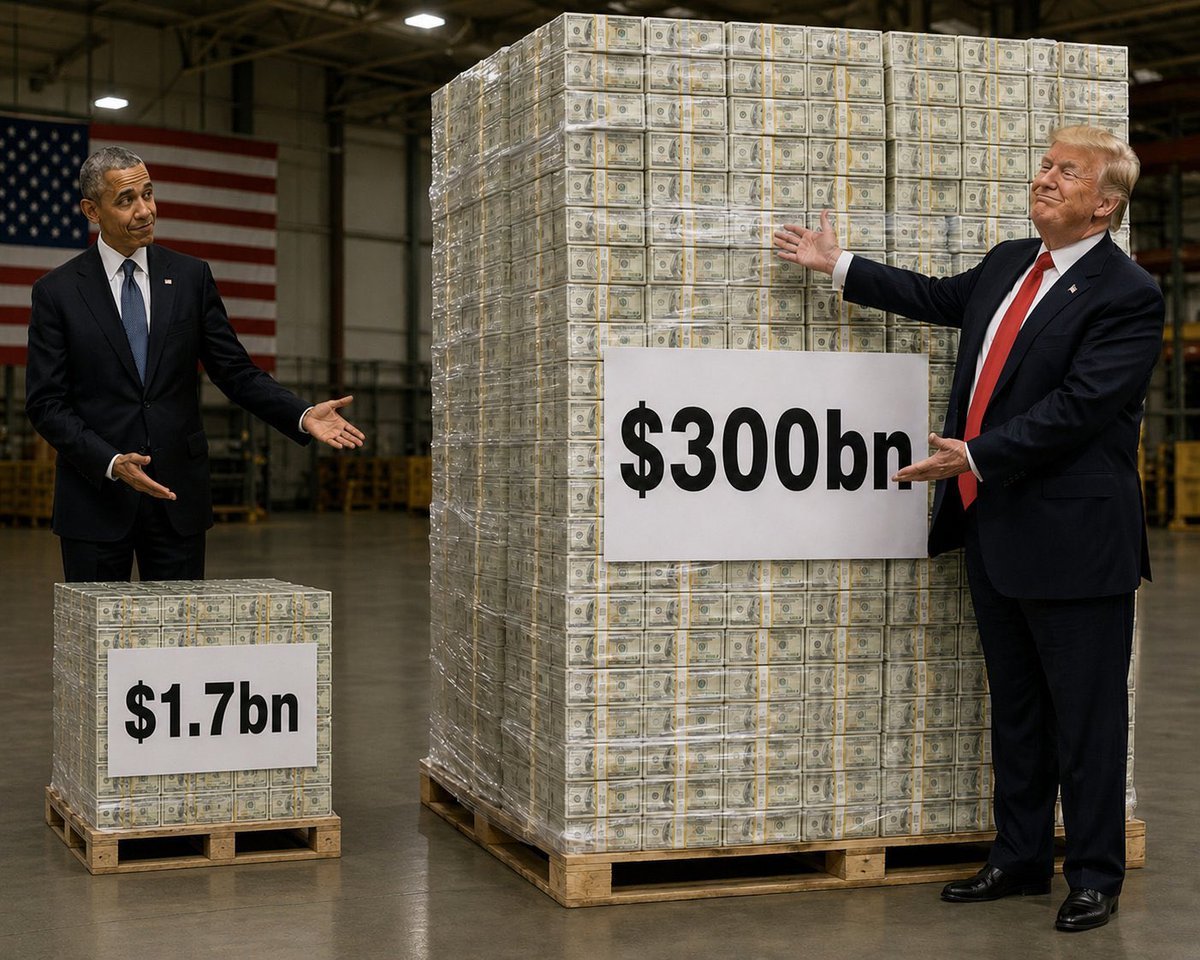
On the economic front, the memorandum offers Iran immediate relief: the US will issue waivers for oil exports, release frozen assets estimated at $100 billion with an initial tranche of $24 billion, and terminate all sanctions on an agreed schedule. In return, Iran commits to a $300 billion reconstruction and development plan, but the mechanism for that funding remains vague, and Washington insists it is not a direct cash payment. The plan would involve regional partners, with the US facilitating but not necessarily funding the bulk of the investment.
The release of frozen assets – the largest portion in China ($20-50 billion), followed by Iraq ($15 billion), India ($7 billion), South Korea ($7 billion) and Qatar ($6 billion) – will provide a lifeline for Tehran's economy. Critics argue that the US has given away its leverage without securing concrete nuclear rollbacks; Tehran counters that the assets are rightfully Iranian and that sanctions were illegal unilateral measures.
Time is the deal's greatest vulnerability. Both sides have discussed potential enrichment moratoriums of five to 20 years, but no consensus has emerged. The issues of Iran's ballistic missile programme and its regional proxies are not even mentioned in the memorandum. Extension of the 60-day period requires "mutual consent" – a high bar between adversaries who have already traded accusations of ceasefire violations. The US has accused Iran of repeated breaches; Iran has accused Washington of the same, pointing to Israeli strikes and continued US patrols.
In the meantime, the status quo clause binds Iran to maintain its current nuclear activities and Washington to impose no new sanctions or deploy additional forces. That precarious balance could unravel at any moment, especially if Israel acts unilaterally or if a miscalculation occurs in the crowded waters of the Gulf.
For East Africa, the outcome of these negotiations is not a distant diplomatic sideshow. The region imports the vast majority of its petroleum from the Middle East, and any sustained disruption in the Strait of Hormuz would send fuel prices soaring, stoking inflation and unrest. The Kenyan economy, already strained by high food and transport costs, cannot afford another oil shock. Tanzania's industrialisation drive depends on reliable energy imports. Uganda's oil exports, still in their infancy, would face uncertain market access.
Moreover, the potential for a wider regional conflict – if the deal collapses – would draw in Gulf states that are major investors and trading partners for East Africa. The United Arab Emirates and Saudi Arabia have significant stakes in ports, infrastructure and agriculture across the region. A renewed war would destabilise those investments and could trigger a refugee crisis.
This memorandum is a significant diplomatic achievement in that it stops the shooting and reopens a vital shipping lane. But it is not a lasting settlement. It is a fragile truce that buys time, with the hardest compromises postponed to an implausibly short negotiation period. For East Africans watching from afar, the next 60 days will determine whether the region faces renewed volatility or a genuine path to stability. The history of US-Iran relations offers little room for complacency – but both sides have now at least chosen to talk rather than shoot. Whether that conversation leads anywhere remains the open question of the summer.
The author is a commentator on socio-economic and political affairs anchored on governance and development in East Africa.


Comments
0 commentsLeave a Comment